
Why Does the Top of My Foot Hurt When I Walk? 3 Hidden Causes
When foot pain strikes, most people immediately assume they have a problem with their heel or their arch. But what happens when the pain is concentrated on the top of your foot?
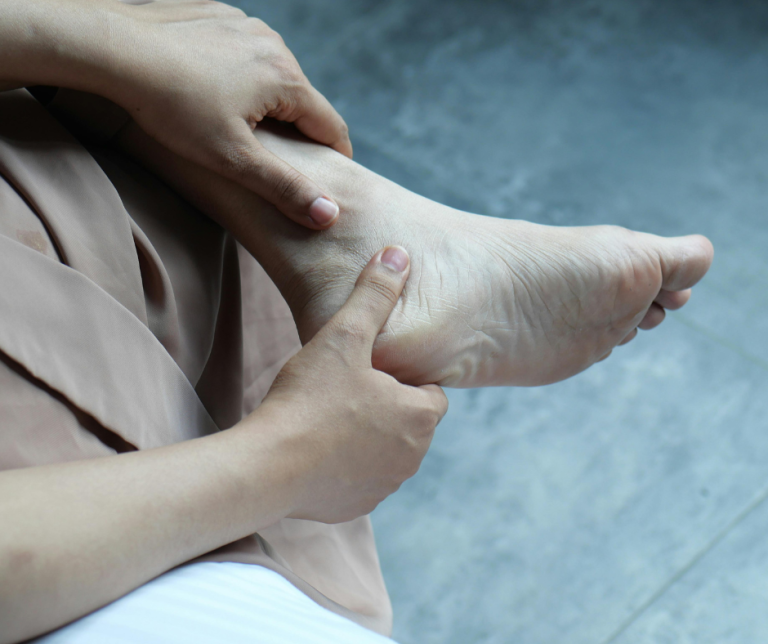
At Pomona Valley Podiatry Group, we frequently treat patients who are experiencing a deep ache, swelling, or sharp pain across the top of their midfoot. Because the top of the foot contains very little protective fat or muscle, the tendons, nerves, and bones are highly susceptible to irritation.
If every step is causing you discomfort, here is a look at the three most common culprits behind top-of-foot pain and how our team can help you find lasting relief.
Quick Answer (TL;DR)
Why does the top of my foot hurt?
Pain on the top of the foot is usually caused by one of three things:
- Extensor Tendonitis (inflammation of the tendons that lift your toes, often caused by shoes that are tied too tightly),
- A Metatarsal Stress Fracture (a microscopic crack in the bone from overuse),
- A Bone Spur (extra bone growth related to midfoot arthritis).
Because the symptoms overlap, a professional evaluation and X-ray are required to properly diagnose the root cause and prevent severe joint damage.
1. Extensor Tendonitis (The “Tight Laces” Trap)
Your extensor tendons sit just under the skin on the top of your foot and are responsible for lifting your toes upward as you walk. Because they are so close to the surface, they are easily irritated by external pressure.
The most common cause of extensor tendonitis is simply wearing shoes that are tied far too tightly across the instep (often called “lace bite”). It can also be triggered by a sudden increase in walking or running on uneven terrain, forcing these tendons to work overtime.
- The Symptoms: You will feel a dull, aching pain across the top of your foot that worsens when you actively pull your toes upward toward your shin. You may also notice mild swelling.
2. Metatarsal Stress Fractures
If you recently started a new workout routine, increased your daily walking distance, or switched from a soft treadmill to hard concrete, you may have overworked your foot’s structural foundation.
When your muscles become fatigued, they stop absorbing the shock of walking. That raw impact is transferred to the metatarsal bones, leading to tiny, microscopic cracks.
- The Symptoms: A stress fracture causes a deep, localized pain that intensifies significantly during weight-bearing activities and fades when you rest. If you press gently on the bones at the top of your foot and feel pinpoint, painful tenderness, a stress fracture is highly likely.
3. Midfoot Arthritis and Bone Spurs
While arthritis is often associated with older adults, wear-and-tear osteoarthritis can develop in the midfoot joints of active adults much earlier in life.
As the cartilage between your foot bones wears away, the bones rub together. To protect itself, the body grows extra bone in the area, creating a bony prominence known as a bone spur (or osteophyte).
- The Symptoms: You may actually be able to see or feel a hard, bony lump on the top of your foot. The pain typically feels like a deep, stiff ache, and it often worsens when the rigid tongue of your shoe presses against the prominent bone spur.
Stop Guessing and Start Healing
The “wait and see” approach is risky for top-of-foot pain. If you mistake a stress fracture for simple tendonitis and try to “walk it off,” you risk damaging the bone more.
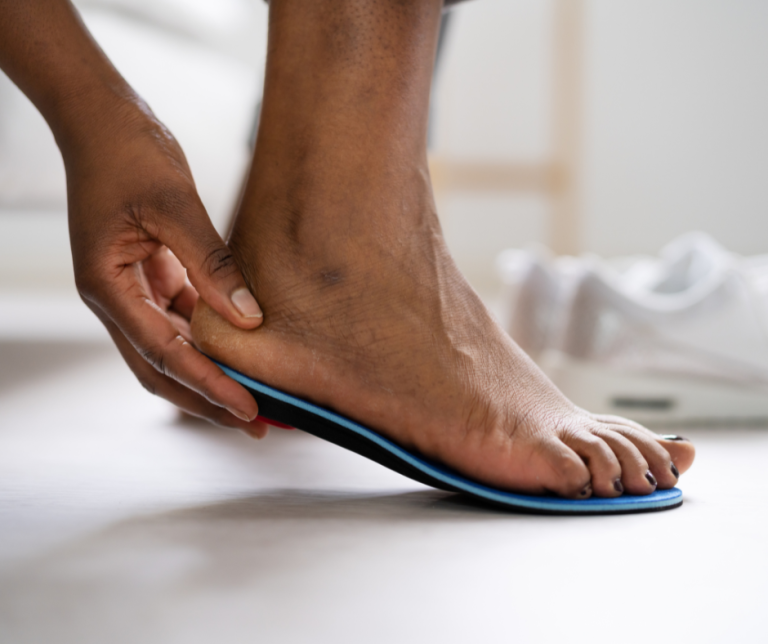
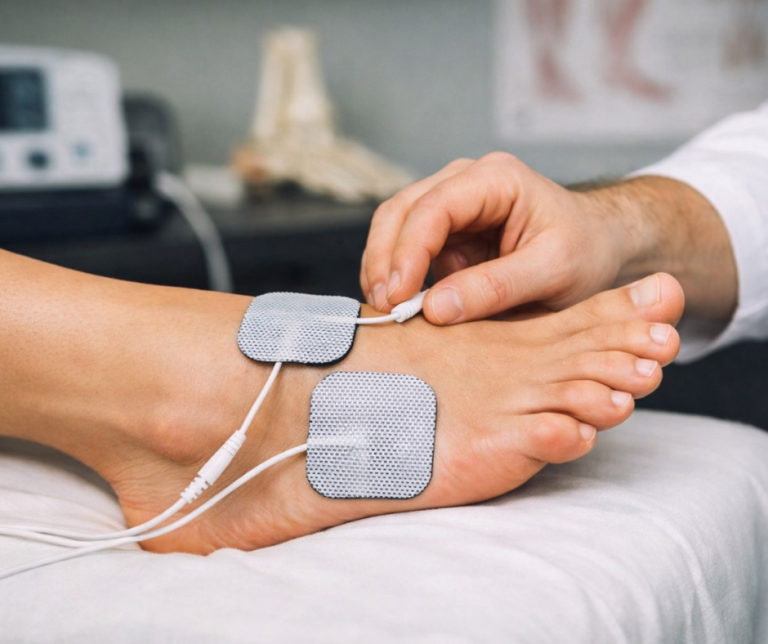
Our diagnostic options are supported by imaging such as X-rays, ultrasound, or even MRI when necessary. From customized lacing techniques and anti-inflammatory therapies to prescription custom orthotics that offload the pressure, we provide comprehensive, conservative care to get you back on your feet!
Do not let structural pain dictate your lifestyle or keep you off your feet. At Pomona Valley Podiatry Group, we utilize a fully comprehensive approach to foot and ankle care. From targeted custom orthotics and advanced, noninvasive treatment options to a full suite of comprehensive podiatric services, Dr. Brian O’Neill deploys the precise medical interventions necessary to rebuild your foundation and keep you moving safely. Contact our office today to schedule your comprehensive evaluation and take the first step toward pain-free movement.