
Morning Heel Pain: Understanding the Causes and Finding Relief
Dreading that first step out of bed in the morning? If sharp, stabbing heel pain is making your daily routine miserable, you aren’t alone. Heel pain is a sign of structural overload, not just a passing ache. Here is what is causing your discomfort and how to finally find lasting relief, courtesy of Pomona Valley Podiatry Group.
The “First Step” Phenomenon: What is Causing Your Pain?
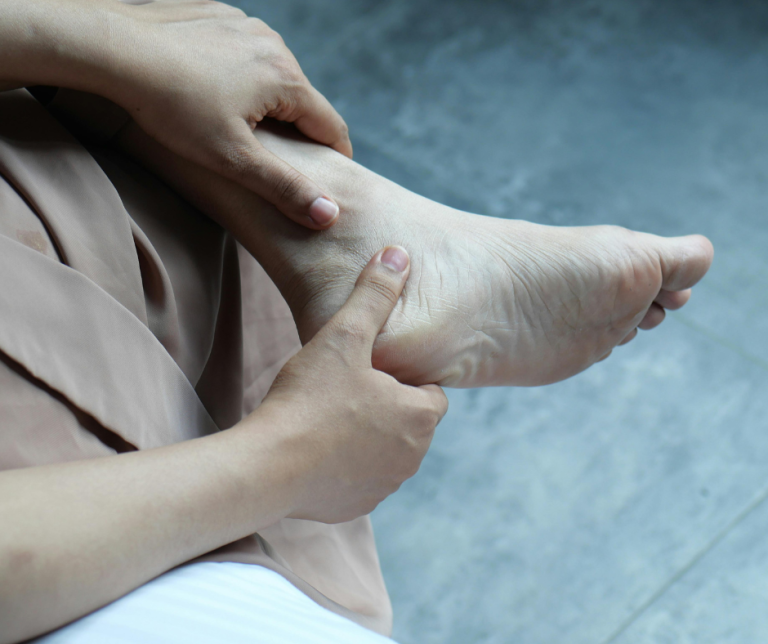
Heel pain is generally the result of repetitive stress and strain on the supporting structures of your foot. When you rest overnight, the inflamed tissues in your foot tighten and contract. When you take that first step in the morning, those tight, damaged tissues are forcefully stretched, resulting in a sharp, stabbing sensation.
The location of your pain is the biggest clue to its underlying cause:
- Plantar Fasciitis: If the pain is localized to the bottom of your heel or arch, you are likely dealing with the inflammation or degeneration of the plantar fascia (the thick band of tissue running along the bottom of your foot).
- Achilles Tendinitis: If the pain is localized to the back of your heel where it meets your calf, the Achilles tendon is likely inflamed from overuse or mechanical strain.
Recognizing the Symptoms of Mechanical Overload
Pain is your body’s alarm system. If you are experiencing any of the following symptoms, your kinetic chain is failing to absorb shock correctly:
- Sharp pain with the first steps in the morning or immediately after resting.
- Discomfort that briefly improves as you walk and “warm up,” but worsens significantly after long periods of standing.
- Tenderness when applying direct pressure to the heel.
- Visible swelling around the heel or stiffness in the foot and ankle joint.
Comprehensive Treatment at Pomona Valley Podiatry
At Pomona Valley Podiatry, Dr. Brian O’Neill conducts detailed physical examinations and utilizes advanced imaging, such as X-rays or ultrasound, to identify the root cause of your discomfort. We don’t just treat the symptoms; we treat the underlying mechanical failure.
We tailor each treatment plan to your specific condition and activity level, utilizing a tiered approach to care:
- Conservative Care: Less severe cases often respond quickly to targeted stretching regimens, activity modification, and transitioning to highly supportive footwear to reduce strain on the heel.
- Targeted Support: If you have an underlying structural issue (like flat feet or high arches), we use custom orthotics. Unlike generic drugstore inserts that provide squishy cushions, prescription orthotics physically correct your foot’s alignment and stop the mechanical overload causing your pain.
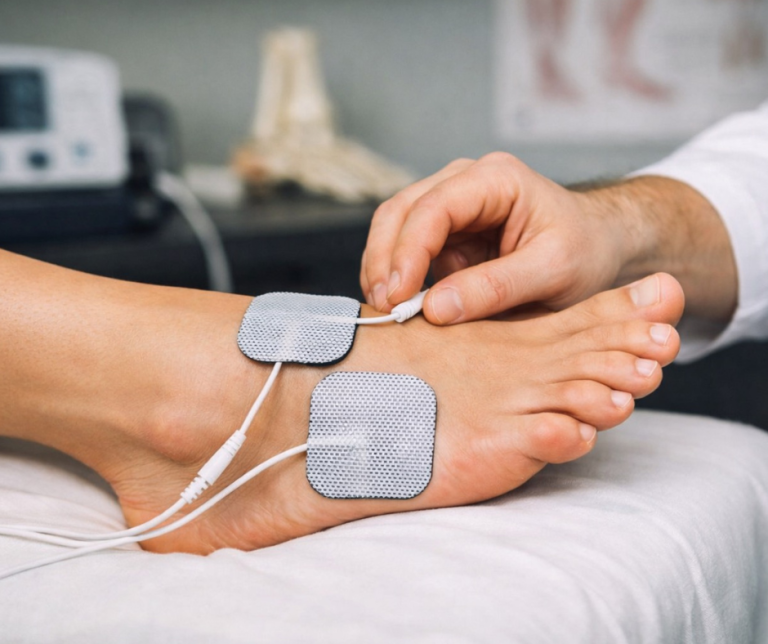
- Advanced Therapies: For moderate to severe cases that do not respond to basic rest, we offer Shockwave Therapy. This advanced, non-invasive treatment stimulates your body’s natural healing process, breaking down rigid scar tissue and accelerating recovery without the need for surgical immobilization or downtime. Surgery is always considered a last resort when all conservative measures have been exhausted.
You do not have to live with heel pain. If you are ready to restore healthy movement and get back to your normal activities with confidence, visit our services page to learn more, or contact Pomona Valley Podiatry today to book your appointment.
Do not let structural pain dictate your lifestyle or keep you off your feet. At Pomona Valley Podiatry Group, we utilize a fully comprehensive approach to foot and ankle care. From targeted custom orthotics and advanced, non-invasive treatment options to a full suite of comprehensive podiatric services, Dr. Brian O’Neill deploys the precise medical interventions necessary to rebuild your foundation and keep you moving safely. Contact our office today to schedule your comprehensive evaluation and take the first step toward pain-free movement.