Why Does My Ankle Keep Giving Out?
Diagnosing and Treating Ligament Sprains
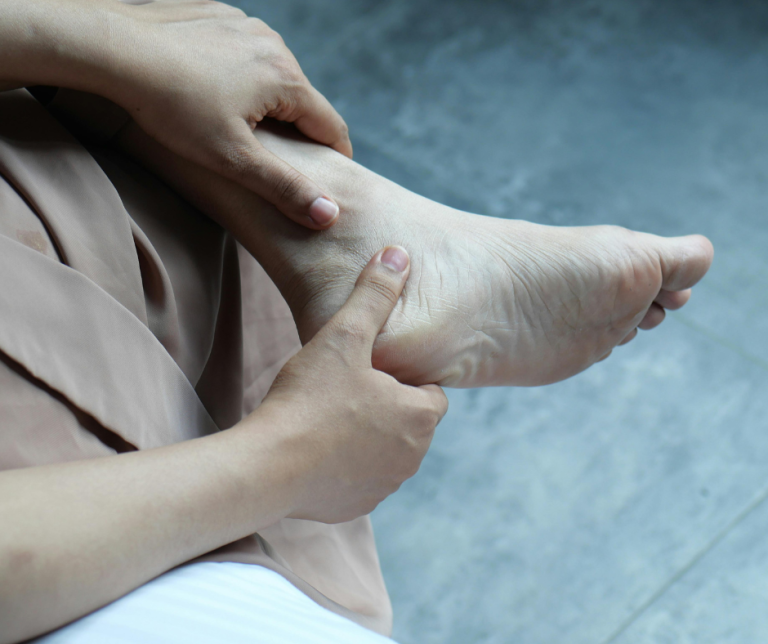
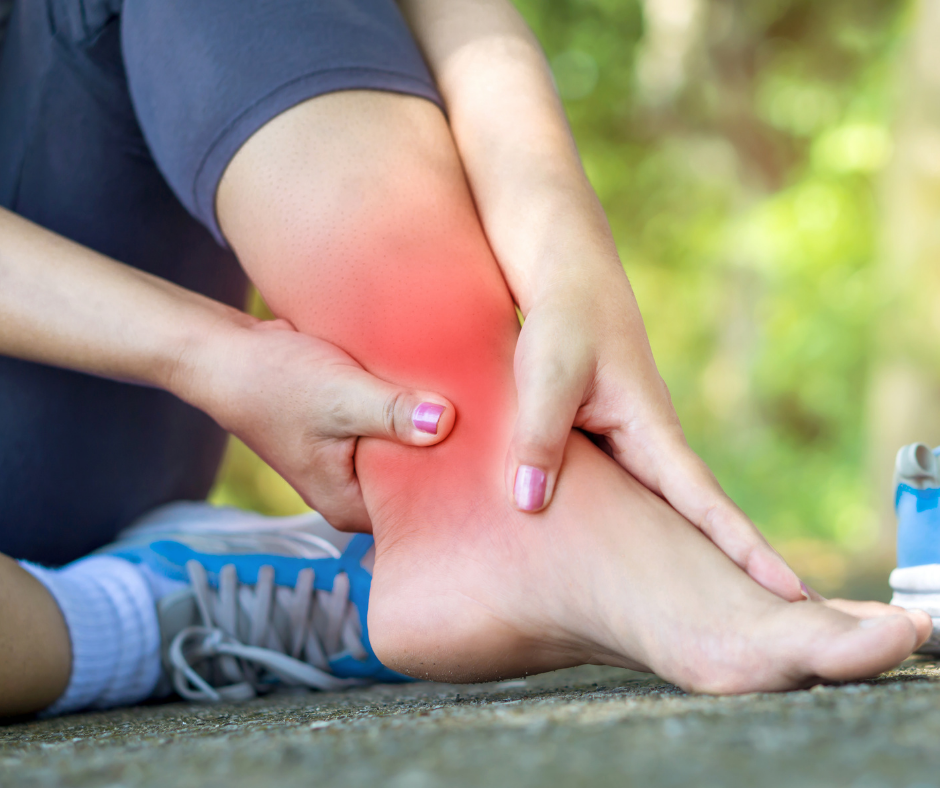
When your ankle rolls inward or outward, it stretches or tears the stabilizing ligaments supporting your joint. If you feel sharp pain or notice your joint buckling under your weight, you are likely dealing with an ankle sprain.
At Pomona Valley Podiatry, Dr. Brian O’Neill provides thorough evaluations to accurately diagnose ligament injuries, and every treatment plan is tailored to restore stability and help you return to normal activity safely. We’ll cover how that fends off future damage below.
The Hidden Dangers of “Walking It Off”
Many patients assume a twisted ankle is a minor issue and attempt to walk it off. However, this is one of the most common ways to develop Chronic Ankle Instability.
- When a ligament is torn, it heals with scar tissue. If it heals in an elongated, stretched-out position without proper rehabilitation and support, your ankle loses its structural integrity.
- This leads to a persistent feeling that your ankle might “give out” even on perfectly flat ground, making you highly susceptible to future sports injuries and early-onset joint arthritis.
Recognizing the Symptoms of an Ankle Sprain
Ankle injuries present clear physical warning signs.
Identifying these symptoms early helps prevent chronic instability:
- Immediate Pain: Sharp discomfort typically flares up the moment you attempt to bear weight.
- Swelling and Bruising: Fluid accumulation causes rapid puffiness and discoloration around the joint.
- Tenderness: The affected area feels intensely sensitive to the touch.
- Limited Range of Motion: Stiffness and swelling restrict your ability to flex or rotate the foot.
- Joint Instability: A persistent feeling that the ankle is weak or wobbly indicates significant ligament laxity.
How We Diagnose and Treat Ligament Injuries
Proper recovery starts with a precise diagnosis. Dr. O’Neill evaluates your injury through a detailed review of the incident, focusing on two core approaches:
- A physical examination testing joint stability and mobility
- Digital imaging to rule out bone breaks
This combination ensures we properly differentiate between Ankle Sprains and Fractures.
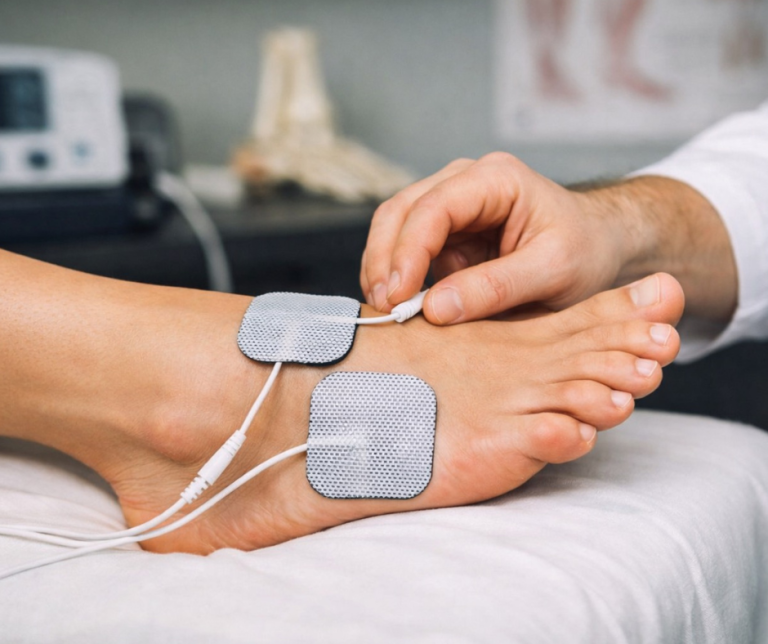
Treatment depends entirely on the severity of the tear. By using noninvasive methods like Shockwave Therapy, we can often accelerate your healing timeline and ensure your ligaments heal tightly.
Mild to Moderate Sprains
These injuries respond well to conservative care, including the classic RICE method (Rest, Ice, Compression, Elevation).
- We may also provide supportive bracing and guide you through gradual rehabilitation to rebuild strength.
- As you return to your normal routine, getting fitted for Custom Orthotics can provide the precise arch support and heel control needed to prevent your foot from rolling outward in the future.
Severe Sprains
Significant, high-grade tears may require short-term immobilization in a walking boot. In cases where the ligaments are completely ruptured and conservative care is not enough to restore stability, we will discuss a structured recovery plan.
- This may involve Minimally Invasive Surgery to repair the damaged tissues, permanently restore joint tension, and prevent long-term instability.
Restore Your Mobility in Pomona Valley
Do not ignore a rolling ankle or assume it will heal completely on its own. Ignoring a compromised ligament can lead to chronic weakness and repeated injuries that sideline you for months. Instead, let our team restore your stability, eliminate your pain, and help you walk with confidence again!
Do not let structural pain dictate your lifestyle or keep you off your feet. At Pomona Valley Podiatry Group, we utilize a fully comprehensive approach to foot and ankle care. From targeted custom orthotics and advanced, noninvasive treatment options to a full suite of comprehensive podiatric services, Dr. Brian O’Neill deploys the precise medical interventions necessary to rebuild your foundation and keep you moving safely. Contact our office today to schedule your comprehensive evaluation and take the first step toward pain-free movement.