The Bunion Breakdown: Why It Hurts and How to Stop It
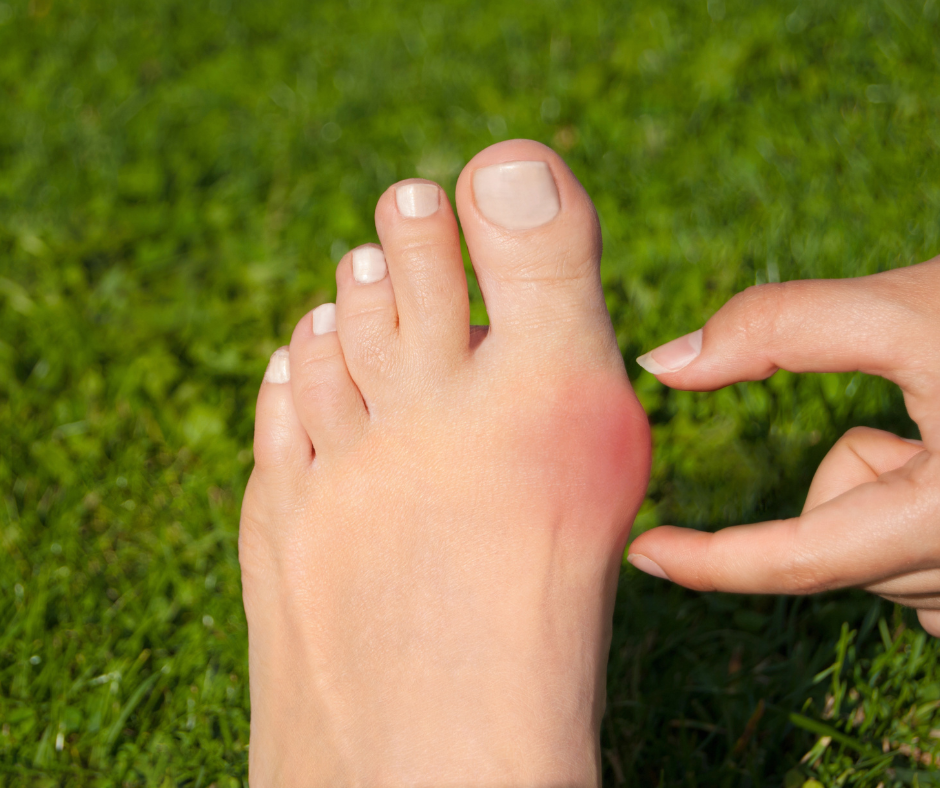
You slide on your favorite pair of shoes, but instead of a comfortable fit, you feel a sharp, restrictive pinch. A bony, prominent bump has formed at the base of your big toe.
Bunions are incredibly common, yet widely misunderstood. Many assume these painful changes are an inevitable part of getting older or the penalty for wearing high heels. While footwear plays an accelerating role, the root cause is deeply tied to your underlying biomechanics. Ignoring these structural shifts forces the rest of your lower body to compensate, permanently altering how you move. Pomona Valley Podiatry Group explains how to stop the drift, manage the pain, and more in the following blog.
Understanding Hallux Valgus
Medically known as Hallux Valgus, a bunion is a progressive bone disorder affecting the foundational joint of your big toe. It is not simply a buildup of extra bone material; it is a full structural dislocation.
Over time, the long metatarsal bone drifts outward toward the inside edge of your foot, while your big toe is pulled sharply inward. This mechanical imbalance forces the joint to protrude, creating a hard, painful, and inflamed bump that rubs against your shoes.
The Real Triggers Behind the Bump
Bunions develop due to a combination of internal structural weaknesses and external lifestyle pressures:
- Inherited Foot Structure: You inherit faulty foot mechanics, such as flat feet or low arches, that create joint instability and allow the foot to overpronate.
- Improper Footwear: High heels and shoes with narrow toe boxes act as massive catalysts, accelerating the deformity by squeezing the unstable joint.
- Inflammatory Conditions: Systemic diseases like rheumatoid arthritis weaken the stabilizing ligaments around the toe, making patients susceptible to rapid bunion development.
The Domino Effect on Neighboring Toes
A bunion rarely exists in a vacuum. A structural shift at the foundation of your big toe disrupts the entire forefoot. As the bunion progresses, the big toe loses its ability to bear weight. To compensate, your body shifts the heavy lifting to the neighboring toes. The big toe physically pushes against the second toe, forcing it to buckle and curl upward into a rigid, claw-like hammertoe.
Whether you are commuting on the 10 Freeway or working long hours on your feet in Pomona, this progressive misalignment destroys your gait, leading to painful corns, friction blisters, and uneven joint wear.
Definitive Medical Interventions
Bunions are progressive; they won’t heal or reverse themselves without clinical intervention. Catching the deformity early provides non-surgical options to halt the drift:
- Footwear Modification: Transitioning to footwear with a wide, deep toe box eliminates shoe friction and removes lateral pressure from the joint.
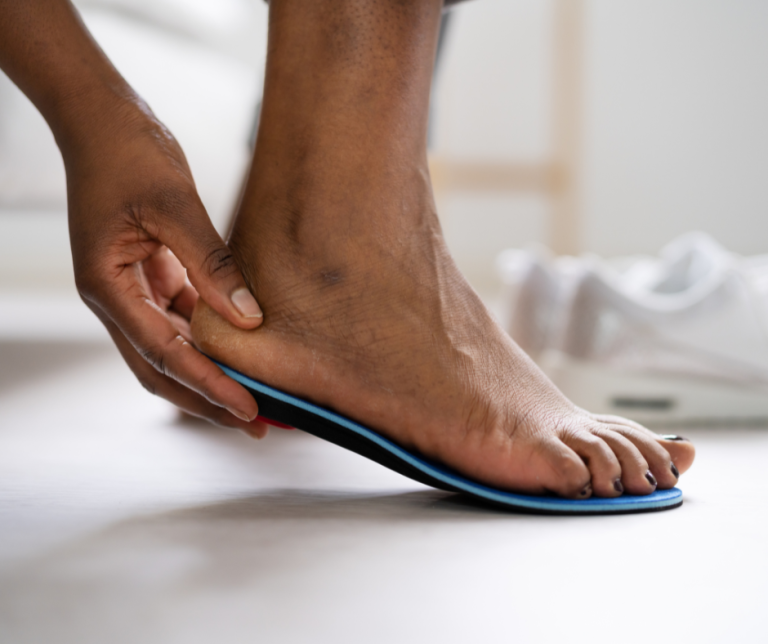
- Custom Orthotics: The gold standard for prevention. Medical-grade orthotics actively correct the underlying genetic instability in your arch, stopping the tendons from pulling your toe further out of alignment.
- Protective Padding: Specialized gel padding shields the joint from external rubbing, preventing painful bursitis.
When Realignment Requires Advanced Solutions
If your big toe joint has become entirely rigid, conservative treatments may no longer suffice. When structural damage is advanced, permanent surgical correction becomes necessary to restore full mobility. Our practice provides state-of-the-art, minimally invasive surgical procedures designed to physically realign the bones, repair tendons, and permanently restore the natural, pain-free shape of your foot with minimized downtime.
Do not let structural pain dictate your lifestyle or keep you off your feet. At Pomona Valley Podiatry Group, we utilize a fully comprehensive approach to foot and ankle care. From targeted custom orthotics and advanced, non-invasive treatment options to a full suite of comprehensive podiatric services, Dr. Brian O’Neill deploys the precise medical interventions necessary to rebuild your foundation and keep you moving safely. Contact our office today to schedule your comprehensive evaluation and take the first step toward pain-free movement.